
A New Year for Art: Planning, Care, and Logistics Behind Major Exhibitions in 2026
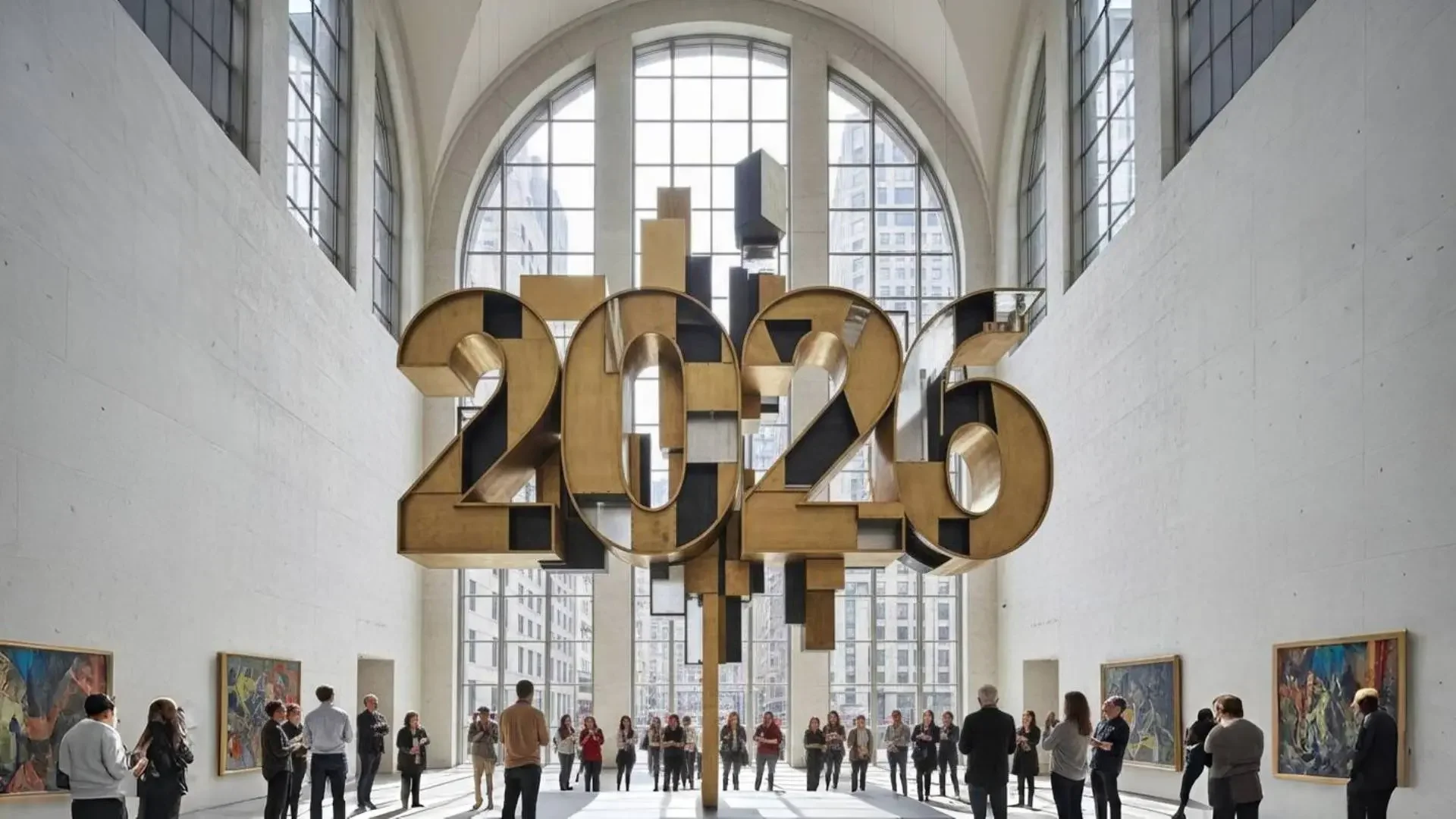
A new year in the art world does not begin with an opening reception or a press preview. It begins much earlier—quietly, behind the scenes—where planning, expertise, and care shape every decision long before the artwork meets its audience. As 2026 approaches, artists, galleries, museums, and cultural institutions face a new cycle of exhibitions, international projects, and ambitious creative goals that demand precision and trust at every stage.
At Nimart Productions, the beginning of a new year represents more than a calendar change. It marks the moment when ideas become logistics, concepts turn into movement, and artworks begin journeys that require technical knowledge, strategic coordination, and deep respect for their cultural value.
A new year in the art world begins long before opening day
Major exhibitions are often remembered for their opening moments, yet their true beginnings lie months in advance. Planning schedules, coordinating teams, and preparing artworks are all part of an invisible process that defines the success of a project. In 2026, this preparation is more essential than ever, as the art world continues to operate on a global scale with increasingly complex demands.
Every exhibition involves a chain of decisions that affect timelines, safety, and presentation. From early conversations with artists and curators to the technical requirements of venues, the groundwork laid at the start of the year determines how smoothly an exhibition unfolds. A well-planned beginning allows creativity to flourish without compromise.
Planning as the foundation of successful exhibitions in 2026
Planning is the backbone of any major exhibition. It connects creative vision with operational reality, ensuring that each artwork arrives on time, in the right condition, and ready to be installed according to curatorial intent. In 2026, planning must account for international shipping schedules, venue availability, conservation needs, and coordination between multiple stakeholders.
Effective planning minimizes uncertainty. It allows teams to anticipate challenges such as tight deadlines, cross-border regulations, and complex installation requirements. More importantly, it provides artists and institutions with confidence—knowing that every step has been carefully considered and aligned with the overall vision of the project.
Understanding the complexity behind major exhibitions
Behind every exhibition lies a network of moving parts. Artworks vary in size, material, fragility, and historical significance, each requiring specific handling and environmental conditions. Large-scale installations, delicate works on paper, mixed-media pieces, and sculptural elements all introduce different logistical challenges.
In addition, exhibitions often involve multiple locations, international transport routes, insurance requirements, and strict timelines. Navigating this complexity requires more than experience—it demands a structured approach that integrates technical expertise, communication, and problem-solving. Understanding these layers is essential to delivering exhibitions that meet both artistic and institutional standards.
Care and conservation: protecting art throughout its journey
Care is not a single action; it is a continuous commitment that accompanies an artwork from the moment it leaves its origin to its final installation. Conservation principles guide decisions related to packing materials, climate control, handling techniques, and storage conditions.
Throughout the journey, artworks must be protected from physical stress, environmental fluctuations, and unnecessary risk. This level of care preserves not only the physical integrity of the piece but also its historical, cultural, and emotional value. In 2026, as exhibitions become more dynamic and far-reaching, conservation-focused logistics remain a fundamental responsibility.
From studio to gallery: the journey of an artwork in 2026
Every artwork carries a story, and its journey is part of that narrative. The transition from an artist’s studio to a gallery, museum, or fair involves a series of carefully coordinated steps. Each phase—documentation, packing, transport, storage, and installation—must align seamlessly to ensure the work arrives ready to be experienced as intended.
In 2026, this journey often crosses borders and time zones, requiring precise coordination and adaptability. When managed correctly, logistics become an extension of the creative process, supporting the artwork rather than interrupting it.
Specialized logistics for a global art ecosystem
The contemporary art world operates within a global ecosystem where exhibitions, fairs, and collections span continents. Specialized logistics are essential to support this interconnected network. Transport routes must be optimized, customs processes anticipated, and schedules synchronized with international events.
Global art logistics demand both technical knowledge and cultural sensitivity. Each destination has its own standards, expectations, and operational realities. Managing these variables with accuracy ensures that artworks move efficiently while maintaining the highest levels of care and professionalism.
The role of multidisciplinary teams in contemporary art logistics
Art logistics today is a collaborative effort that benefits from diverse expertise. Designers, architects, engineers, conservators, and artists each contribute valuable perspectives that shape how artworks are handled, installed, and preserved.
A multidisciplinary approach allows for informed decision-making at every stage. Structural considerations, spatial design, material behavior, and conservation needs are addressed collectively, resulting in solutions that respect both the artwork and the exhibition environment. This integrated perspective is essential for navigating the complex demands of contemporary art projects in 2026.
Art fairs, museums, and cultural institutions: different needs, one precise approach
While every art context is unique, all share a common requirement for precision. Art fairs operate on compressed timelines and high turnover, museums prioritize long-term preservation and interpretive integrity, and cultural institutions balance public engagement with conservation responsibilities.
Each setting requires tailored logistical strategies, yet all benefit from a consistent standard of care, planning, and execution. Adapting to these differences while maintaining a unified approach ensures that every project receives the attention it deserves.
Why logistics is no longer a secondary task in the art world
Logistics has evolved from a background operation into a strategic component of the art world. Decisions made during planning and transport directly influence exhibition outcomes, budget efficiency, and institutional reputation.
In 2026, logistics plays a critical role in enabling ambitious projects, supporting international collaboration, and safeguarding artistic heritage. Recognizing its importance allows artists and institutions to approach exhibitions with greater clarity and confidence.
Looking ahead: preparing art projects with confidence in 2026
As a new year begins, the art world looks forward—to new exhibitions, new collaborations, and new creative challenges. Preparing for 2026 means investing in thoughtful planning, professional care, and reliable logistics that support artistic vision from start to finish.
With the right expertise behind every movement, art can travel safely, be presented with integrity, and reach audiences around the world as intended. A new year for art begins with preparation, trust, and a commitment to excellence—long before the doors open.